Industrial & Outdoor Lighting: The Two Core Growth Engines of the General Lighting Market in 2026
Introduction
The general lighting market is undergoing a profound transformation. While indoor residential and commercial lighting have long dominated the landscape, a significant shift is underway. By 2026, industrial and outdoor lighting are poised to become the two core growth engines, outpacing other segments in both revenue and technological innovation. This post explores the key factors propelling these sectors forward.
Why Industrial Lighting Is Surging
The industrial sector—including factories, warehouses, logistics centers, and manufacturing plants—demands rugged, high-performance lighting solutions. Several trends are driving this surge:
- Energy efficiency mandates: Governments worldwide are tightening energy standards. Industrial facilities, which operate 24/7, are replacing outdated HID and fluorescent fixtures with LED systems that reduce energy consumption by 50–70%.
- Smart lighting integration: IoT-enabled sensors and controls allow industrial managers to adjust lighting based on occupancy, daylight, and task needs. This cuts costs further and improves worker safety.
- Total cost of ownership (TCO) focus: Companies now recognize that LED lighting offers longer lifespans (50,000–100,000 hours) and lower maintenance, making it a financially superior choice.
- Government & corporate ESG goals: Net-zero commitments push industries to adopt sustainable lighting solutions, including solar-powered or hybrid systems in remote areas.
The Outdoor Lighting Revolution
Outdoor lighting—encompassing streetlights, parking lots, parks, stadiums, and architectural facades—is experiencing an equally dynamic boom.
Infrastructure Renewal and Smart City Projects
Municipalities are replacing aging streetlights with connected LED luminaires that offer integrated dimming, adaptive lighting, and remote management. These installations not only cut energy use but also enhance public safety and reduce light pollution.
Urbanization and Public Space Upgrades
Rapid urbanization in Asia, Africa, and Latin America creates demand for robust outdoor lighting in new developments. Meanwhile, older cities in Europe and North America are upgrading for aesthetic and functional reasons.
- Human-centric lighting: Outdoor lights are increasingly designed to mimic natural daylight cycles, improving circadian rhythms of residents and reducing nighttime glare.
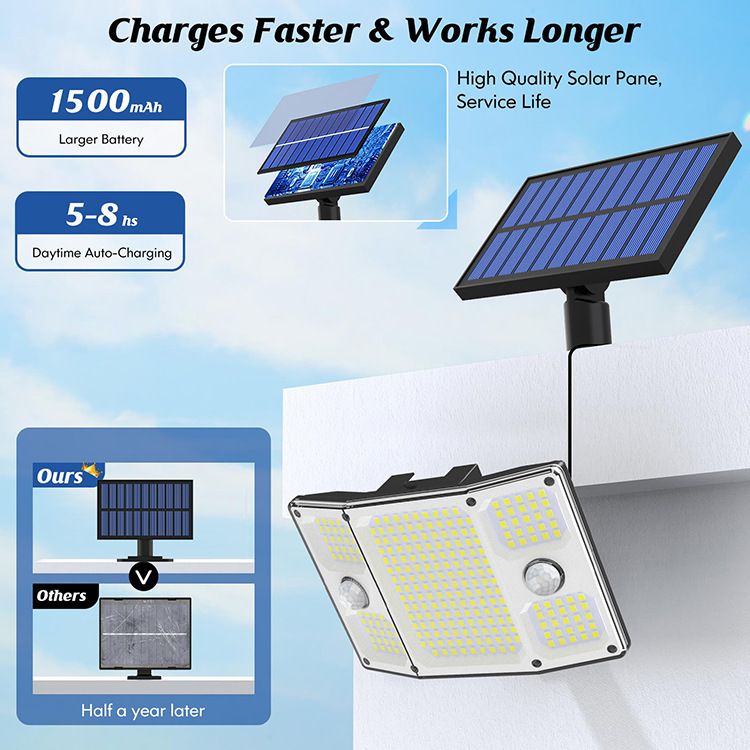
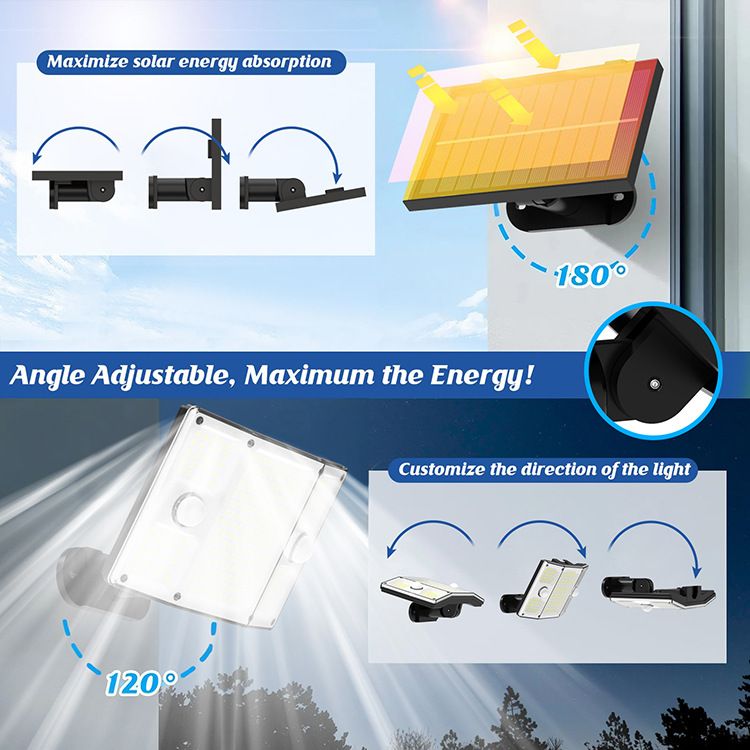
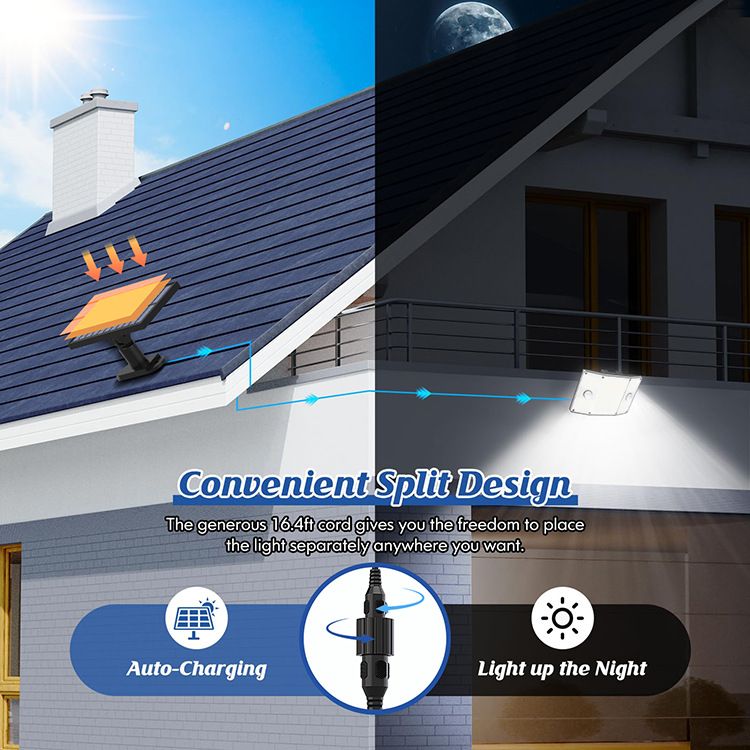
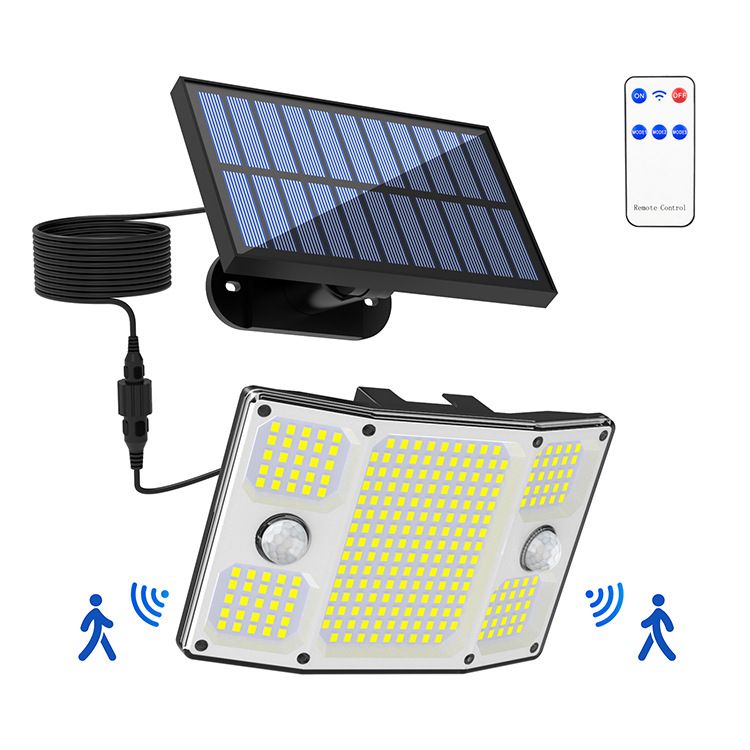
- Solar & battery backup: Off-grid solar lighting solutions are gaining traction in regions with unstable grid infrastructure, offering resilient illumination for pathways, bus stops, and emergency routes.
Technological Convergence: The Game Changer
The real magic lies in the convergence of lighting, sensors, and wireless connectivity. Both industrial and outdoor lighting are becoming platforms for broader smart building and smart city ecosystems.
- Li-Fi and VLC (Visible Light Communication) enable data transmission through light, providing secure communication in industrial environments.
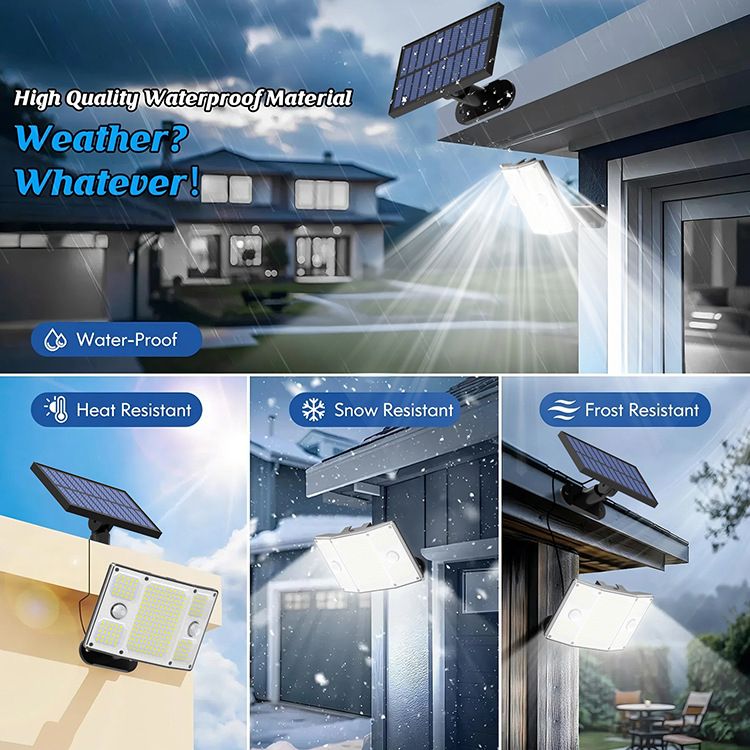
- Advanced optics and thermal management allow outdoor luminaires to deliver precise beam patterns while withstanding extreme weather.
- Edge computing inside luminaires processes data locally for faster response in industrial automation or traffic management.
Market Projections for 2026
According to recent industry reports, the global industrial lighting market is expected to reach $12–15 billion by 2026, growing at a CAGR of ~8%. Outdoor lighting is projected to hit $18–22 billion, driven by smart city initiatives and infrastructure investments. Together, these two segments will account for over 45% of the total general lighting market revenue.
Conclusion
Industrial and outdoor lighting are no longer afterthoughts in the lighting industry—they are the engines powering growth. By 2026, stakeholders ranging from manufacturers to urban planners must embrace energy-efficient, connected, and durable lighting solutions. Those who innovate now will lead the next decade of illumination.