sally@gemwon.com
+8618926466788
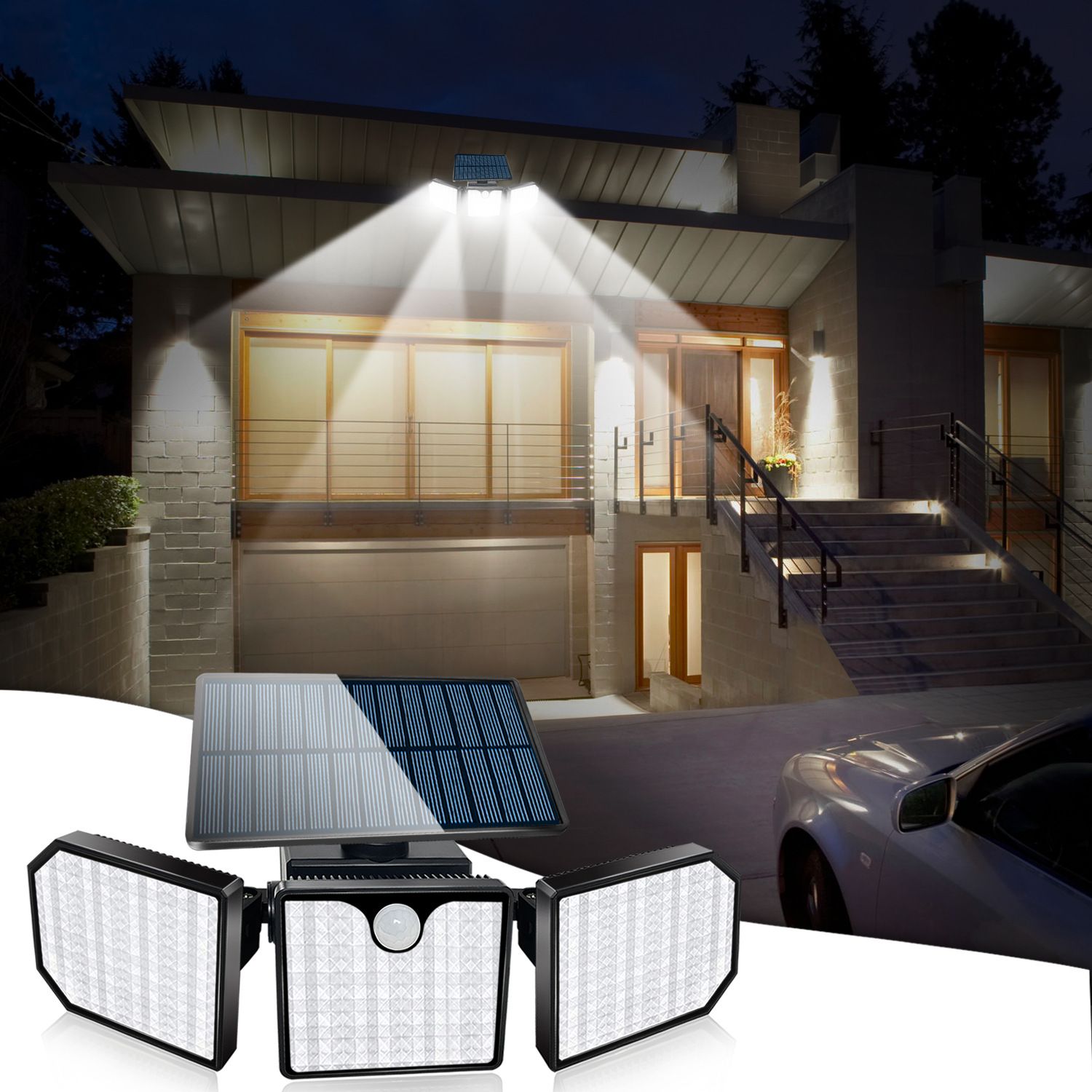
The global LED lighting market has experienced a turbulent few years, characterized by price volatility, supply chain disruptions, and shifting demand patterns. However, a new report from TrendForce offers a clearer horizon: the market is expected to bottom out in 2026, with a steady recovery beginning in 2027. For buyers—from facility managers to procurement professionals—this inflection point carries critical implications. Upstream cost pressures are now keeping prices stable, and industrial and outdoor lighting segments are fueling growth. Let’s explore what these trends mean for your lighting procurement strategy.
One of the most significant takeaways from the TrendForce analysis is that upstream costs—including raw materials like gallium nitride (GaN) substrates, LED chips, and driver ICs—have been rising steadily. While this initially led to margin compression for manufacturers, it has paradoxically stabilized end-user prices. After years of steep price declines, the market has reached a floor where further reductions are unlikely.
This stabilization is a double-edged sword: it reduces uncertainty but also means suppliers have less incentive to offer deep discounts. Smart buyers will negotiate volume deals or long-term contracts before the rebound begins in 2027.
TrendForce identifies industrial and outdoor lighting as the primary catalysts for the market’s rebound. These segments are driven by several factors:
For buyers, this means that inventory and pricing in these segments will tighten faster than in residential or commercial general lighting. Early engagement with suppliers specializing in industrial/outdoor products is recommended to secure lead times and pricing.
Given the market bottom in 2026 and the expected upturn in 2027, here is a strategic checklist for buyers:
The global LED lighting market is at a pivotal moment. The bottoming out in 2026 offers buyers a rare window to secure favorable terms before prices begin their gradual ascent in 2027. Upstream cost stabilization makes aggressive discounting a thing of the past, while industrial and outdoor lighting lead the charge in volume and innovation. By aligning procurement timelines with these market dynamics, buyers can not only save money but also gain a competitive edge in their own operations. Now is the time to plan, not to wait.